All Categories
Featured


Garage Exhaust Fan Installation Los Angeles County
Table of Contents
- – Install Garage Ventilation Near Me Los Angeles ...
- – Instant Air Solutions
- – Install Garage Ventilation Fan Los Angeles Cou...
- – Install Garage Ventilation Near Me Los Angeles...
- – Exhaust Fan Installation Near Me Los Angeles ...
- – Commercial Ventilation Services Los Angeles C...
- – Garage Ventilation Fan Installation Los Ange...
- – Garage Exhaust Fan Installation Los Angeles ...
- – Garage Ventilation Installation Los Angeles ...
- – Garage Exhaust Fan Los Angeles County, CA
- – Instant Air Solutions
Install Garage Ventilation Near Me Los Angeles County, CA
I have actually had garage ventilation on my mind for some time now. In between Eileen and I always doing projects in the garage, we produce a whole lot of fumes from painting and discoloration. Cutting timber in there also tosses a whole lot of sawdust right into the air. Even when I deal with the mower and various other small engines therein, the smell of gasoline lingers.
Nonetheless, this was not the ideal remedy. Lots of painting and staining tasks would certainly rest in the garage overnight filling the air with fumes, simply to be broadcast out when the sunlight showed up and when we can open up the garage doors. In addition to the poisonous smells resting in the garage the following early morning, it would likewise delay the completion of these projects.
To include to the stress, I recently got a snow blower for the upcoming winter snowstorms, which was bound to leave the garage loaded with gas odors after usage. Much more factor to check out garage ventilation systems. Garage Exhaust Fan Installation Los Angeles County. I place my thinking cap on and strayed around the garage looking for air flow ideas.
In my previous home, I used to run a lot of computer devices in the garage that would certainly produce a great deal of warm. I had looked into garage venting choices back then and resolved on a tiny fan and air vent that could be mounted directly in the garage door (using a small opening that you cut).
Install Garage Ventilation Fan Los Angeles County, CA
During the winter season, the garage door vent would let all the chilly air in and drop the garage temperature below the cold point, ruining my paints and various other fluids that were not implied to be frozen. The garage door vents and exhaust choice left a poor preference in my mouth ever given that, and I was determined not to go after that direction once more.
I ultimately picked a method of venting the garage. I would locate a perfect airing vent location in the garage, and cut a huge square opening in the wall surface (about 14"x14" in between the wall studs). After that I would install self-closing shutter vents on both the interior and exterior of the wall.
Install Garage Ventilation Near Me Los Angeles County, CA
The dual shutter vents were going to be vital in aiding to maintain the chilly air outside during the winter season. I did a great deal of research on exhaust followers and made a decision on one with built-in shutters.
For the outside wall surface, I went a 14" light weight aluminum shutter vent (Garage Exhaust Fan Installation Los Angeles County). With the hardware determined, I looked for a perfect area for the air vent. The most effective place would have been over one of the garage doors, but for aesthetic appeals, I didn't want the vent to be noticeable from the street
It would certainly be virtually undetectable yet still serve its purpose. Here's the location I picked inside for the garage exhaust fan: Below's where the vent would certainly wear down outdoors: Above, you'll see the initial layer I went through was the drywall. After that I had 2 layers of insulating foam. Following was the white vinyl exterior siding.
The follower would certainly cover all the edges, and conceal any kind of abnormalities in my cut. This was an essential action to prevent the follower from airing vent air right into the wall surface.
Exhaust Fan Installation Near Me Los Angeles County, CA
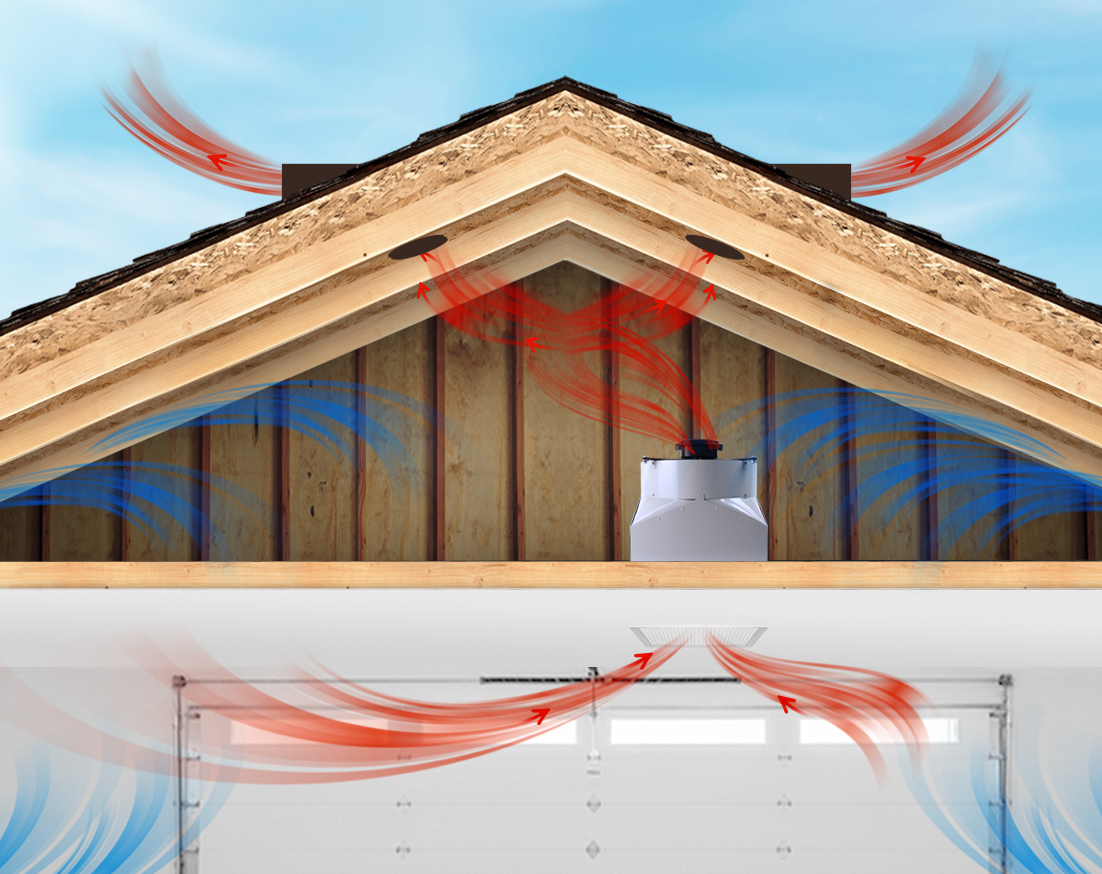
I could not just cut an opening in the home siding, insert the vent, and call it a day. To maintain water from passing through the home siding, I needed to use J network. This would certainly enable me to create a frame around the air vent that would certainly overlap the house siding and secure the rough-cut edges from water.
I followed some great directions on (under the section "Mount J-channel around the window"). Here's a photo showing the assembled J channel pieces wrapping around the air vent: Currently came the fun job of dealing with the siding. To appropriately install the outside vent, I needed access to the wall surface beneath the home siding, which suggested eliminating numerous items of home siding.
, I was able to quickly detach some siding, and pull it away from the wall. With enough of the siding out of the method, I was able to continue job on the opening.
Commercial Ventilation Services Los Angeles County, CA
Next off, I placed the shutter air vent and nailed it in the wall studs. Below's a photo showing some progression: With the garage air vent in place, I connected the J network frame, overlapping the rough cut edges of the plastic home siding.
I placed the exhaust fan in the hole and was preparing to screw it right into the studs. Then, I decided to inspect the vents on the follower to see to it they opened and closed effectively. They opened up fine. They had trouble closing. They would stick heading down and not shut all the means.
After some fiddling, I uncovered that the opening I reduced was also tight of a suitable for the fan frame. It was misshaping the frame ever so slightly to create the shutters to not close appropriately. If I pulled the follower regarding 2 inches out of the wall, the shutters functioned penalty.
I would certainly developed a 24 wooden frame between the wall and the fan, to provide the exhaust follower enough distance from the opening for the shutters to run properly. I essentially spent just 10 mins on this task I chopped some 2x4s to size with the miter saw. I affixed them to each other with pocket opening screws to create a structure.
Garage Ventilation Fan Installation Los Angeles County, CA
Right here's a photo of the garage wall exhaust fan frame (the pocket holes are hidden beyond): Finally, the exhaust fan can be bolted to the wall. I pushed the follower against the 24 frame and ensured the shutters opened and closed easily. Then I attached the follower to the 2x4s with some heavy-duty screws.
As the fan speed raised to full, both the within and outside shutters opened to tire the garage. Below's a photo of the installed garage wall exhaust fan (powered on) from the within: Here's a photo of the outside of the garage wall surface exhaust fan, revealing the vents open with the fan on: I'm really thrilled concerning our new garage exhaust follower.
We had a moderate snow shower (concerning 4 inches), therefore I burst out the snowblower to try it out. As forecasted, when I finished removing out the snow from the driveway and put away the snowblower in the garage, the still-warm engine began to stink up the garage. I engaged the brand-new exhaust fan for a couple of hours, and the garage was back to regular.
The complete cost of putting the air vent follower in the garage was around $150 and was collectively about a day's well worth of job. If you require exhaust followers in the garage, this tutorial will certainly have your brand-new garage wall surface exhaust follower up and running in a snap! I was really pleased with the garage vent follower.
Garage Exhaust Fan Installation Los Angeles County, CA
I did include one more point to our garage air vent fan. I had been manually transforming the follower on and off as required. I desired a better system of turning the follower off.
Obviously you wish to make certain that the way the follower is activated is hassle-free to you. Would you intend to have even more than one switch? Possibly a movement detector controller would certainly be also much better? Currently is the moment to pick. you should have a supply of "compose air".
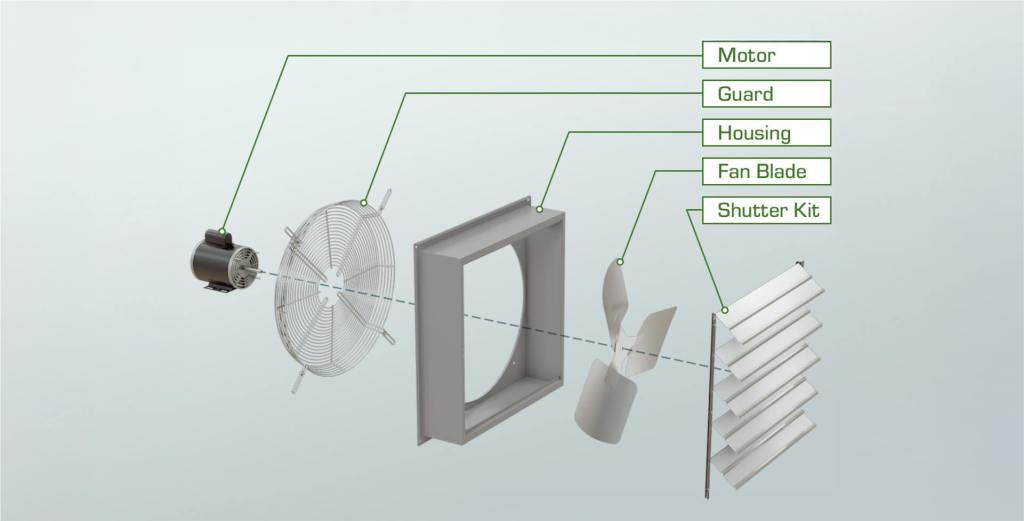
It may deserve it to run a duct just to compel the air to stream throughout. If you wish to obtain expensive, you could include some degreee of filtering too. This is outside the scope of your concern yet I always like to make certain a workspace is well lighted with lots of lumens and as little glow as possible.
is the revolving component of the follower that relocates the air. confines and shields the motor and impeller and directs the air flow. where the air is removed from the fan, generally with an air vent, duct, or sutter. that turns the fan on and off. An exhaust fan's capability is the quantity of air it can relocate, which is determined in cubic feet per min (CFM).
Garage Ventilation Installation Los Angeles County, CA
Are you assuming about a Do it yourself garage exhaust follower installation but not certain if it's actually needed? Right here are some of the vital advantages: Exhaust followers remove toxins, fumes, and odors that can accumulate in your garage.
You might need to increase the capacity if you run a store that produces great deals of fumes or dust. You have actually got a couple of choices when it pertains to the kind of follower: These are typical and reasonably very easy to set up. They go on your garage wall surface and remove the air through the exterior wall.
Garage Exhaust Fan Los Angeles County, CA
Now for the enjoyable partinstalling the fan! It's not brain surgery but needs some basic do it yourself abilities. Here's a general introduction of the process: Before beginning, guarantee you have the right devices and products. You'll need things like: Shatterproof glass and gloves The exhaust fan itself A gauging tape Cord ports Wire cutters Screwdrivers A pencil Screws Jigsaw A drill Safety first, individuals! Prior to you start tinkering electricity, shut off the power to the circuit you'll be working on.
Do you desire it on the wall or the garage ceiling? If you're putting it on the wall surface, ensure it's high enough that you won't bump your head on it. If you're placing it on the ceiling, guarantee it's in a spot where it will supply great airflow. When you've picked your spot, you have to cut a hole in the wall surface or ceiling.
Currently, it's time to connect the fan to the electric wiring. The complying with picture shows an example wiring representation for an exhaust fan and light regulated by a button and timer.
Instant Air Solutions
Address: 412 W Dryden St Apt 6 Glendale, CA 91202Phone: (747) 307-6363
Email: instantairsolutionsinc@gmail.com
Instant Air Solutions
Doing so prevents air leakages and maintains out bugs, ensuring your fan operates efficiently. Examine fan rate and make certain air streams out of your garage, not in.
Garage Ventilation System Los Angeles County, CAExhaust Fan Installation Near Me Los Angeles County, CA
Industrial Exhaust Fan Installation Near Me Los Angeles County, CA
Exhaust Fan Installer Los Angeles County, CA
Garage Exhaust System Los Angeles County, CA
In Seo Agencies Los Angeles County, CA
Near Seo Services Near Me Los Angeles County, CA
Garage Exhaust Fan Installation Los Angeles County, CA
Instant Air Solutions

Table of Contents
- – Install Garage Ventilation Near Me Los Angeles ...
- – Instant Air Solutions
- – Install Garage Ventilation Fan Los Angeles Cou...
- – Install Garage Ventilation Near Me Los Angeles...
- – Exhaust Fan Installation Near Me Los Angeles ...
- – Commercial Ventilation Services Los Angeles C...
- – Garage Ventilation Fan Installation Los Ange...
- – Garage Exhaust Fan Installation Los Angeles ...
- – Garage Ventilation Installation Los Angeles ...
- – Garage Exhaust Fan Los Angeles County, CA
- – Instant Air Solutions
Latest Posts

Best Web Design Brea

Walnut Local Seo Service

West Covina Internet Marketing Service Near Me
More
Latest Posts
Best Web Design Brea
Walnut Local Seo Service
West Covina Internet Marketing Service Near Me